A Practical Guide to Supporting Healthy Aging
As we get older, our bodies may absorb nutrients less efficiently, making certain vitamins and minerals more important. While a balanced diet should always come first, supplements can help fill nutritional gaps when recommended by a healthcare professional.
Do Adults Over 50 Need Supplements?
Not everyone needs supplements, but some people may benefit due to age-related changes, dietary restrictions, or specific health conditions. Before taking any supplement, it’s best to consult your healthcare provider.
Common Supplements for Healthy Aging
Vitamin D
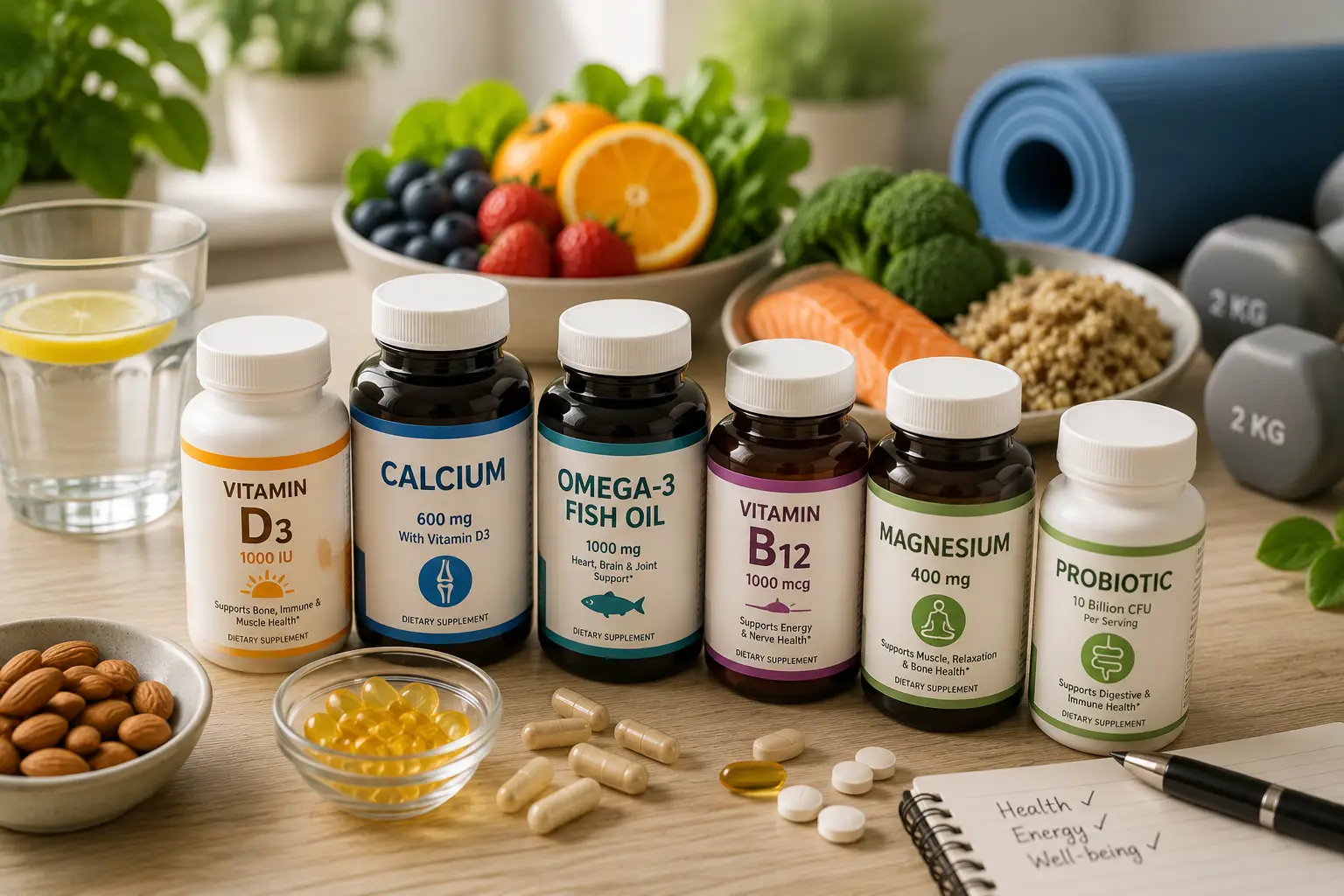
Vitamin D supports bone strength, immune health, and muscle function. Many older adults may benefit from maintaining healthy vitamin D levels.
Calcium
Calcium is essential for maintaining strong bones and reducing the risk of osteoporosis.
Omega-3 Fatty Acids
Found in fish oil, omega-3s support heart health, brain function, and may help reduce inflammation.
Vitamin B12
Vitamin B12 helps maintain healthy nerve function and supports red blood cell production.
Magnesium
Magnesium plays an important role in muscle function, sleep quality, and maintaining healthy bones.
Probiotics
Probiotics help support a healthy digestive system and may improve gut health.
Tips for Choosing Supplements
- Buy from trusted brands.
- Follow the recommended dosage.
- Avoid taking unnecessary supplements.
- Look for third-party quality testing.
- Store supplements according to the manufacturer’s instructions.
Safety Considerations
Supplements can interact with medications or existing medical conditions. Always read the label carefully and discuss new supplements with your healthcare provider before use.
Key Takeaways
Supplements can support healthy aging when used appropriately, but they should never replace a balanced diet. Focus on nutrient-rich foods first, and use supplements only when they are truly needed and recommended by a healthcare professional.