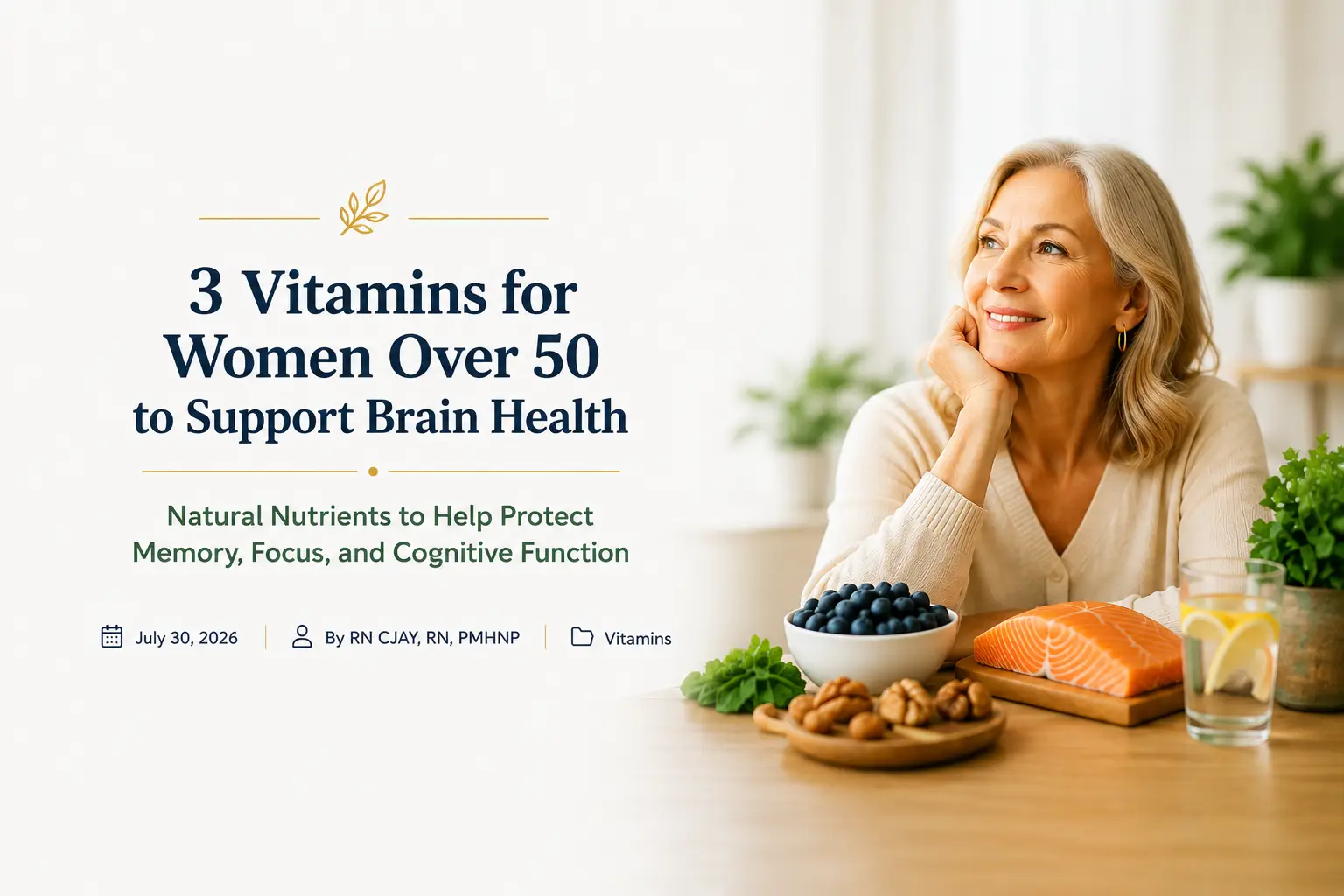
Vitamins for women over 50 can play an important role in supporting brain health and overall wellness. While no vitamin can prevent memory loss or dementia, certain nutrients help support normal brain function, healthy nerve cells, and overall cognitive wellness. Nutritional needs can also change with age, making it important to pay attention to both diet and potential nutrient deficiencies.
For women over 50, vitamin B12, vitamin D, and omega-3 fatty acids are among the most important nutrients to consider as part of a healthy lifestyle. Before starting any supplement, always consult your healthcare provider, especially if you have chronic health conditions or take prescription medications.
Key Takeaways
- Vitamin B12 supports healthy nerve function and cognitive health.
- Vitamin D supports brain, bone, and immune health.
- Omega-3 fatty acids help support memory and overall brain function.
- A healthy diet, regular exercise, quality sleep, and mental stimulation all contribute to healthy aging.
Vitamin B12
Vitamin B12 is essential for healthy nerves, red blood cell production, and normal brain function. As we age, the body becomes less efficient at absorbing vitamin B12 from food, making deficiency more common in adults over 50.
A vitamin B12 deficiency may contribute to fatigue, numbness or tingling, balance problems, and memory difficulties. Your healthcare provider can check your vitamin B12 level with a simple blood test if deficiency is suspected.
If recommended by your healthcare provider, vitamin B12 supplements are available in tablets, capsules, and sublingual (under-the-tongue) forms..
Why Vitamin B12 Becomes More Important With Age
Vitamin B12 deserves particular attention after age 50 because the body’s ability to absorb naturally occurring B12 from food can decrease with age. Some older adults produce less stomach acid, which is needed to release vitamin B12 from food before it can be absorbed.
The NIH Office of Dietary Supplements notes that people over 50 should obtain recommended amounts of vitamin B12 from fortified foods or dietary supplements because these forms may be easier for the body to absorb. Certain medications, including metformin and some acid-reducing medications, may also interfere with vitamin B12 absorption.
Vitamin B12 deficiency can cause fatigue, weakness, numbness or tingling, balance difficulties and changes in memory or thinking. Because some of these symptoms can have many different causes, a blood test and medical evaluation are important rather than assuming a supplement is needed.
Foods Rich in Vitamin B12
Vitamin B12 occurs naturally primarily in animal foods. Good sources include fish, meat, poultry, eggs, milk and other dairy products. Fortified breakfast cereals and nutritional yeast can provide B12 for people who eat little or no animal food.
- Fish
- Lean beef
- Eggs
- Milk
- Yogurt
- Fortified breakfast cereals
- Talk with your healthcare provider about whether vitamin D supplementation is appropriate for you.
Omega-3 Fatty Acids
Omega-3 fatty acids are different from B12 and vitamin D because they aren’t vitamins. However, they belong in this conversation because certain omega-3s—particularly DHA—are important components of cell membranes in the brain.
Fatty fish such as salmon, sardines, herring, trout and mackerel are major dietary sources of the long-chain omega-3 fatty acids EPA and DHA.
Although technically not a vitamin, omega-3 fatty acids are among the most researched nutrients for supporting healthy brain function. DHA and EPA are important components of brain cells and may help support normal cognitive function as we age.
If you don’t eat fish regularly, an omega-3 supplement may be an option to discuss with your healthcare provider.
Omega-3s and Brain Health After 50
Research examining omega-3s and cognitive health has produced interesting but mixed results.
Some observational studies suggest that people who consume more fish or dietary omega-3s may have a lower risk of cognitive decline and dementia. However, randomized clinical trials have generally not shown that omega-3 supplements improve cognitive function in cognitively healthy older adults or people with Alzheimer’s disease. Researchers continue to investigate whether certain groups, including some people with mild cognitive impairment, could benefit.
That’s an important distinction.
Eating fish as part of an overall nutritious dietary pattern and taking a concentrated fish-oil supplement are not necessarily equivalent.
Rather than viewing omega-3 supplements as a treatment for memory loss, think of omega-3-rich foods as one component of a broader brain-healthy eating pattern.
Food Sources of Omega-3s
Good sources include:
- Salmon
- Sardines
- Trout
- Herring
- Mackerel
- Chia seeds
- Flaxseeds
- Walnuts
Plant foods such as walnuts, flax and chia provide ALA, another type of omega-3. The body can convert some ALA to EPA and DHA, but the conversion is limited.
Vitamin D
Vitamin D is probably best known for supporting bone health, but it also contributes to normal muscle, nerve and immune function.
This becomes especially relevant with age. The skin’s ability to produce vitamin D from sunlight declines as we get older, which can increase the risk of inadequate vitamin D status.
For women over 50, maintaining adequate vitamin D is particularly important because bone health becomes an increasing concern after menopause. Vitamin D works with calcium to help maintain healthy bones and protect against osteoporosis.
Does Vitamin D Improve Memory?
This is where we need to distinguish between vitamin D’s established roles in the body and claims about supplements improving memory.
Having adequate vitamin D is important for overall health, but that does not mean taking increasingly large doses will prevent dementia or improve memory. Supplement decisions should take into account diet, age, health conditions and, when appropriate, blood-test results.
According to NIH recommendations, adults ages 19–70 generally need 600 IU (15 mcg) of vitamin D daily, while adults 71 and older generally need 800 IU (20 mcg). Individual medical needs can differ.
Food Sources of Vitamin D
Relatively few foods naturally contain substantial amounts of vitamin D. Fatty fish such as salmon, trout, tuna and mackerel are among the better natural sources.
Many foods are also fortified with vitamin D, including some milk, plant-based beverages and breakfast cereals.
Healthy Habits That Support Brain Health
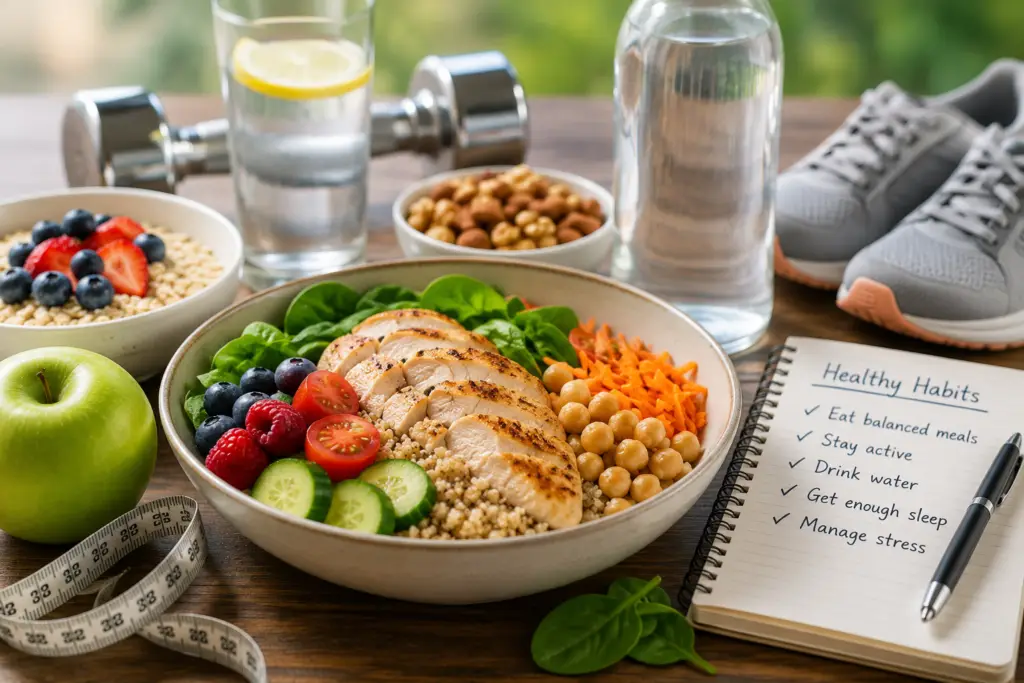
Vitamins are only one part of maintaining a healthy brain. These everyday habits can also help support cognitive health:
- Eat a balanced Mediterranean-style diet.
- Exercise most days of the week.
- Get 7–9 hours of quality sleep.
- Stay socially connected.
- Read books and learn new skills.
- Keep blood pressure, cholesterol, and blood sugar under control.
- Avoid smoking and limit alcohol.
Small, consistent lifestyle changes can make a meaningful difference over time.
Recommended Supplements
If you’re looking for high-quality supplements, here are a few popular options available on Amazon.
Vitamin B12 5000mcg Sublingual Liquid Drops – Shop on Amazon
Nature Made Vitamin D3 – Shop on Amazon
Nordic Naturals Ultimate Omega-3 – Shop on Amazon
The Bottom Line
For women over 50, vitamin B12, vitamin D and omega-3 fatty acids are worth understanding as part of an overall approach to nutrition and healthy aging.
B12 deserves particular attention because absorption from food can become more difficult with age. Vitamin D remains especially important for bone, muscle and other normal body functions, while omega-3-rich foods can contribute to a nutritious dietary pattern.
But none of these supplements should be marketed as a way to prevent Alzheimer’s disease or dementia.
If you’re concerned about memory changes or a possible nutrient deficiency, talk with your healthcare provider rather than trying to treat the problem
About the Author
RN CJAY, RN, PMHNP
RN CJAY is a Registered Nurse with more than 30 years of healthcare experience. Through Healthy Aging Guides, she shares evidence-based information on nutrition, healthy aging, wellness and lifestyle habits to help adults over 50 make informed health decisions.
References
National Institutes of Health, Office of Dietary Supplements. Vitamin B12 Fact Sheet for Consumers.
National Institutes of Health, Office of Dietary Supplements. Vitamin D Fact Sheet for Consumers.
National Institutes of Health, Office of Dietary Supplements. Omega-3 Fatty Acids Fact Sheet for Health Professionals.ith supplements on your own.
Affiliate Disclosure
Disclosure: Healthy Aging Guides participates in the Amazon Services LLC Associates Program, an affiliate advertising program designed to provide a means for sites to earn advertising fees by advertising and linking to Amazon.com. As an Amazon Associate, we earn from qualifying purchases at no additional cost to you
The information on this website is for educational purposes only and is not intended to replace medical advice, diagnosis, or treatment. Always consult your healthcare provider before making changes to your diet, medications, or supplement routine.