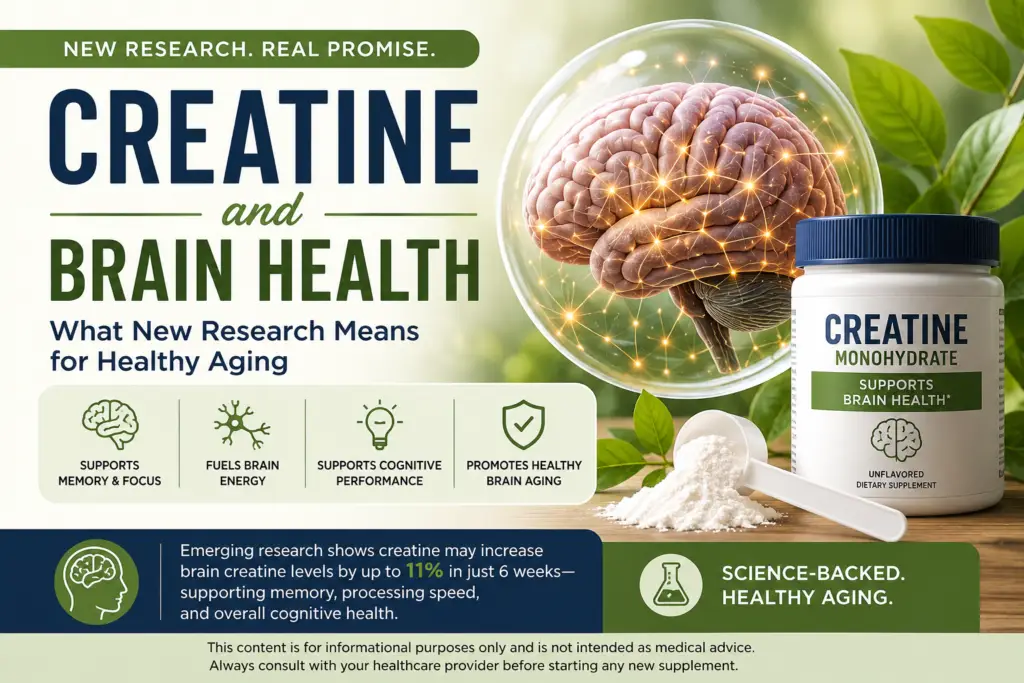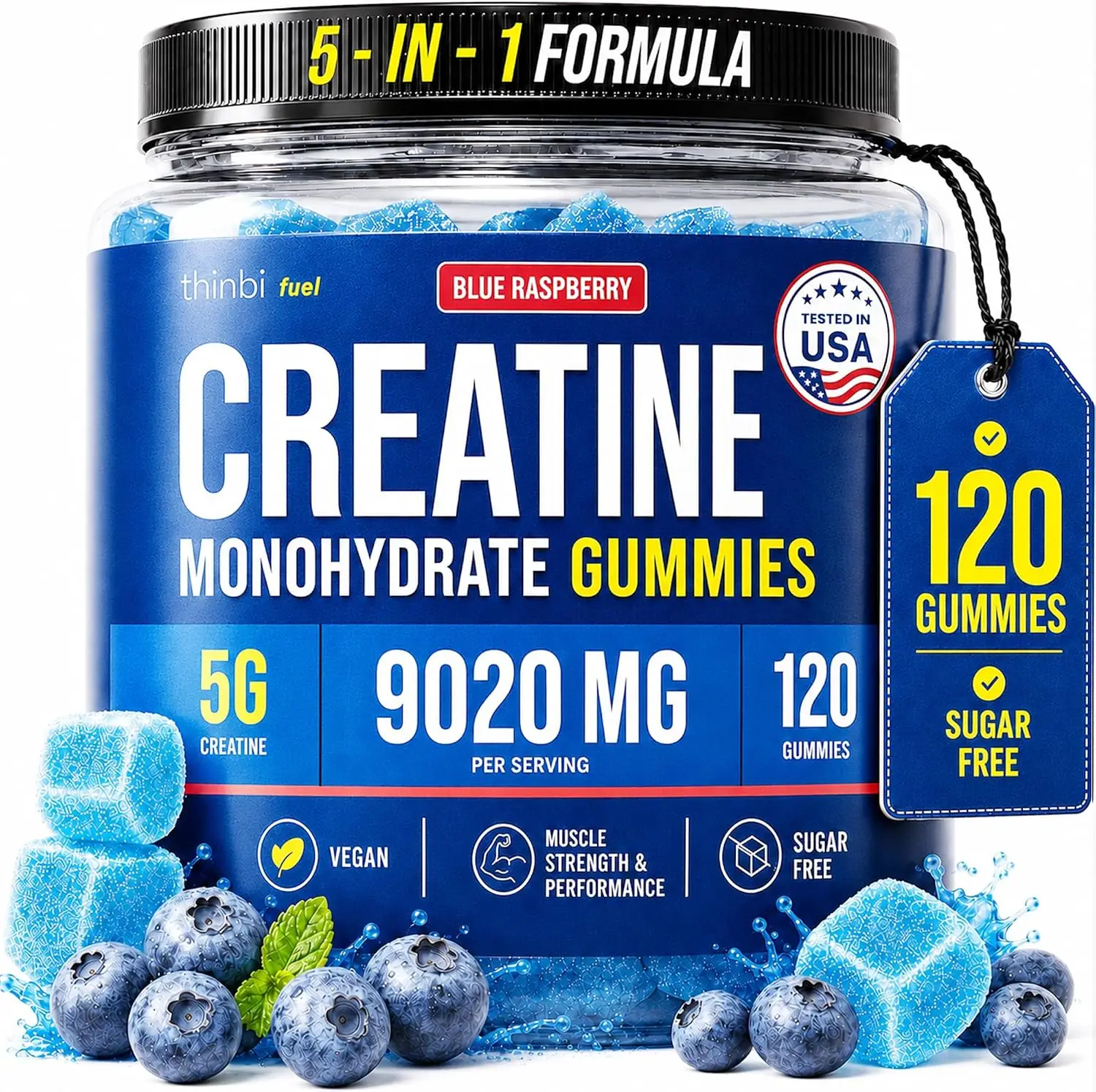
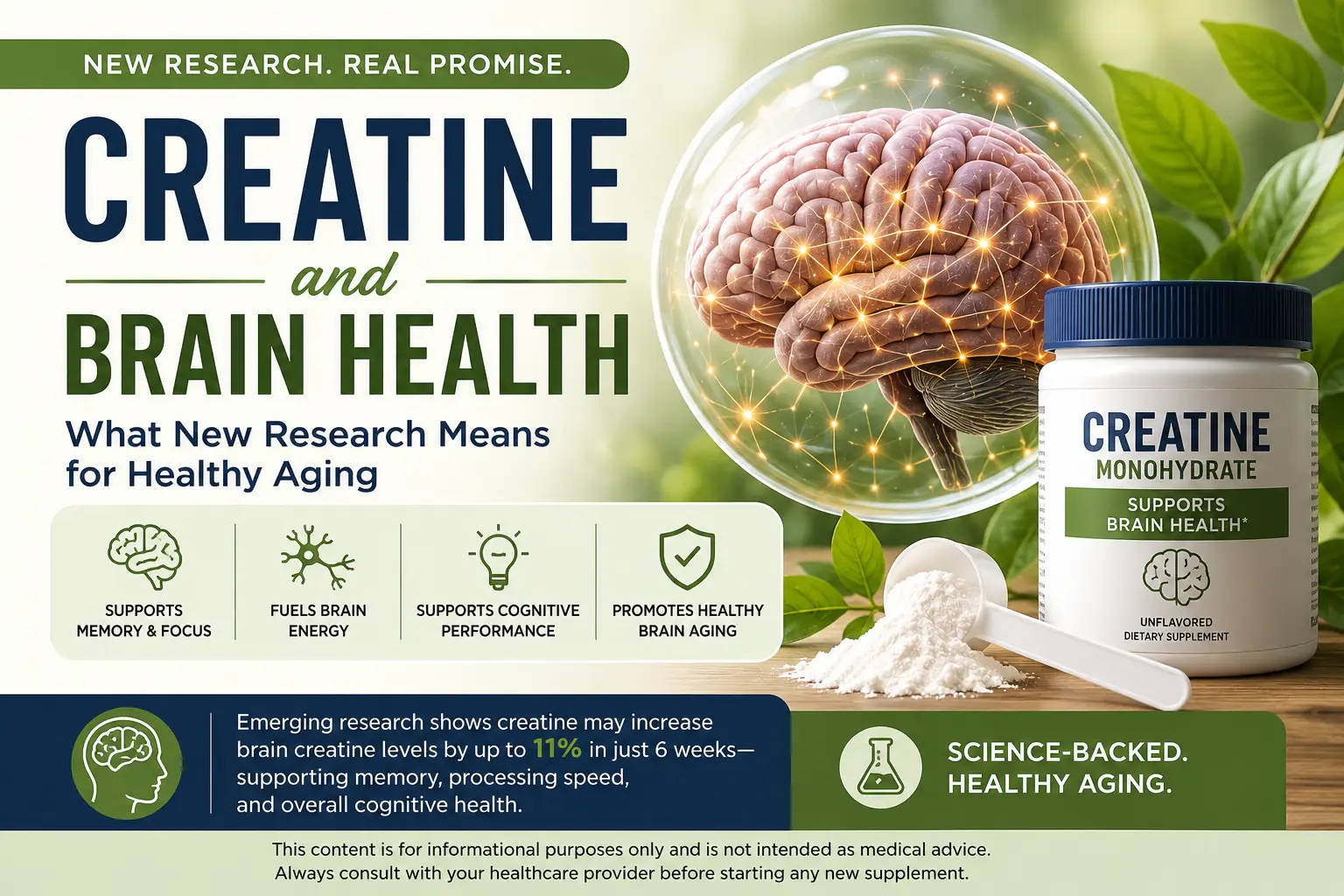
Creatine is best known for supporting muscle strength and exercise performance. But researchers are increasingly interested in another potential role for creatine: supporting the brain’s energy system and cognitive health.
A University of Kansas Medical Center pilot study reported that people with Alzheimer’s disease experienced an approximately 11% increase in brain total creatine after taking creatine monohydrate for eight weeks.
Now, a 2026 research update from the same research team is providing additional information about creatine and cellular energy metabolism.
The findings are exciting enough to warrant further research—but they do not prove that creatine prevents, slows, reverses, or treats Alzheimer’s disease.
Key Takeaways
- The original pilot included 20 people with Alzheimer’s disease.
- Participants took 20 grams of creatine monohydrate per day for 8 weeks.
- Brain total creatine increased by approximately 11%.
- Researchers also observed improvements on several cognitive measures.
- A 2026 follow-up analysis examined cellular energy markers using data from the same pilot.
- Creatine has not been proven to treat Alzheimer’s disease.
- Larger randomized, placebo-controlled trials are still needed.
The Study Behind the 11% Finding
The research comes from the Creatine to Augment Bioenergetics in Alzheimer’s (CABA) trial conducted at the University of Kansas Medical Center.
The pilot included 20 adults with Alzheimer’s disease. Participants took 20 grams of creatine monohydrate each day for eight weeks, divided into two 10-gram doses.
Nineteen participants achieved the study’s target of at least 80% compliance.
At the end of the eight weeks, researchers reported that brain total creatine had increased by approximately 11%.
That’s an interesting finding because it suggests that oral creatine supplementation can measurably increase creatine levels in the brains of people with Alzheimer’s disease.
What Happened With Cognition?
Researchers also observed improvements on several cognitive measures during the eight-week study.
These included measures involving:
- Global cognition
- Fluid cognition
- Working memory/list sorting
- Oral reading
- Attention and inhibitory control
But this part requires some caution.
The CABA study was a single-arm pilot study. Everyone received creatine, and there was no placebo group for comparison.
Therefore, we cannot conclude that creatine itself caused the cognitive improvements.
The researchers described the findings as preliminary evidence supporting larger studies—not proof that creatine is an Alzheimer’s treatment.
What’s New in 2026?
This is where the research gets particularly interesting.
On February 22, 2026, researchers from the University of Kansas Medical Center published a follow-up paper examining bioenergetic markers using data from the CABA pilot.
Bioenergetics refers to how cells produce, store, and use energy.
Researchers examined several measures, including ATP and ADP in blood lymphocytes and mitochondrial respiration.
After the eight-week creatine intervention, researchers reported increases in ATP and ADP in lymphocytes. They also reported increased measures of mitochondrial respiration among the female participants.
Why does this matter?
Creatine participates in the system cells use to help maintain and regenerate ATP—one of the body’s fundamental sources of cellular energy.
Scientists are studying whether problems with cellular and brain energy metabolism may be relevant to Alzheimer’s disease.
The 2026 findings give researchers another reason to investigate that relationship.
But again, this was an analysis of the same small, uncontrolled pilot, so larger controlled studies are necessary.
What Does the Research Say About Adults Over 55?
Creatine and cognition are also being studied outside Alzheimer’s disease.
A systematic review focusing on adults 55 years and older included six studies with a combined 1,542 participants.
Five of the six studies reported a positive relationship between creatine and cognition, particularly in areas involving memory and attention.
However, only two of the included studies were double-blind creatine supplementation interventions; four were observational studies examining dietary creatine intake. The quality of the evidence also varied.
The researchers concluded that creatine may be associated with cognitive benefits in generally healthy older adults, but high-quality clinical trials are still needed.
Does This Mean Creatine Treats Alzheimer’s Disease?
No.
This is one of the most important points to understand.
The research does not establish that creatine:
- Prevents Alzheimer’s disease
- Reverses Alzheimer’s disease
- Slows Alzheimer’s progression
- Restores lost memory
- Replaces approved Alzheimer’s treatments
What researchers have found is interesting enough to justify more research.
That’s very different from having evidence for an established treatment.
Should Adults Over 50 Take 20 Grams of Creatine?
Not based on this study alone.
The 20 grams per day used in the Alzheimer’s pilot was part of a specific research protocol. It should not automatically be interpreted as the appropriate daily amount for a generally healthy adult.
Supplement needs can differ according to medications, medical conditions, kidney function, diet, physical activity, and other individual factors.
If you’re considering creatine—particularly because of memory concerns or an Alzheimer’s diagnosis—talk with your healthcare provider before beginning supplementation.
Creatine Products to Consider
If you and your healthcare provider decide that creatine supplementation is appropriate for you, creatine monohydrate is the form used in the CABA Alzheimer’s pilot and is also widely studied in creatine research.
Affiliate note: The following section may contain Amazon affiliate links. As an Amazon Associate, Healthy Aging Guides may earn from qualifying purchases at no additional cost to you.
My Creatine Pick
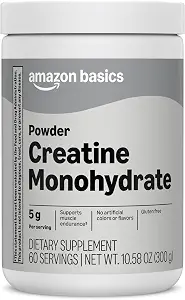
Amazon Basics Creatine Monohydrate Powder
Why I like it:
This straightforward creatine monohydrate powder provides 5 grams per serving. According to the product label, it contains no artificial colors or flavors and offers a simple option for readers looking for creatine monohydrate without additional ingredients or flavors.
Brain-Focused Creatine Option
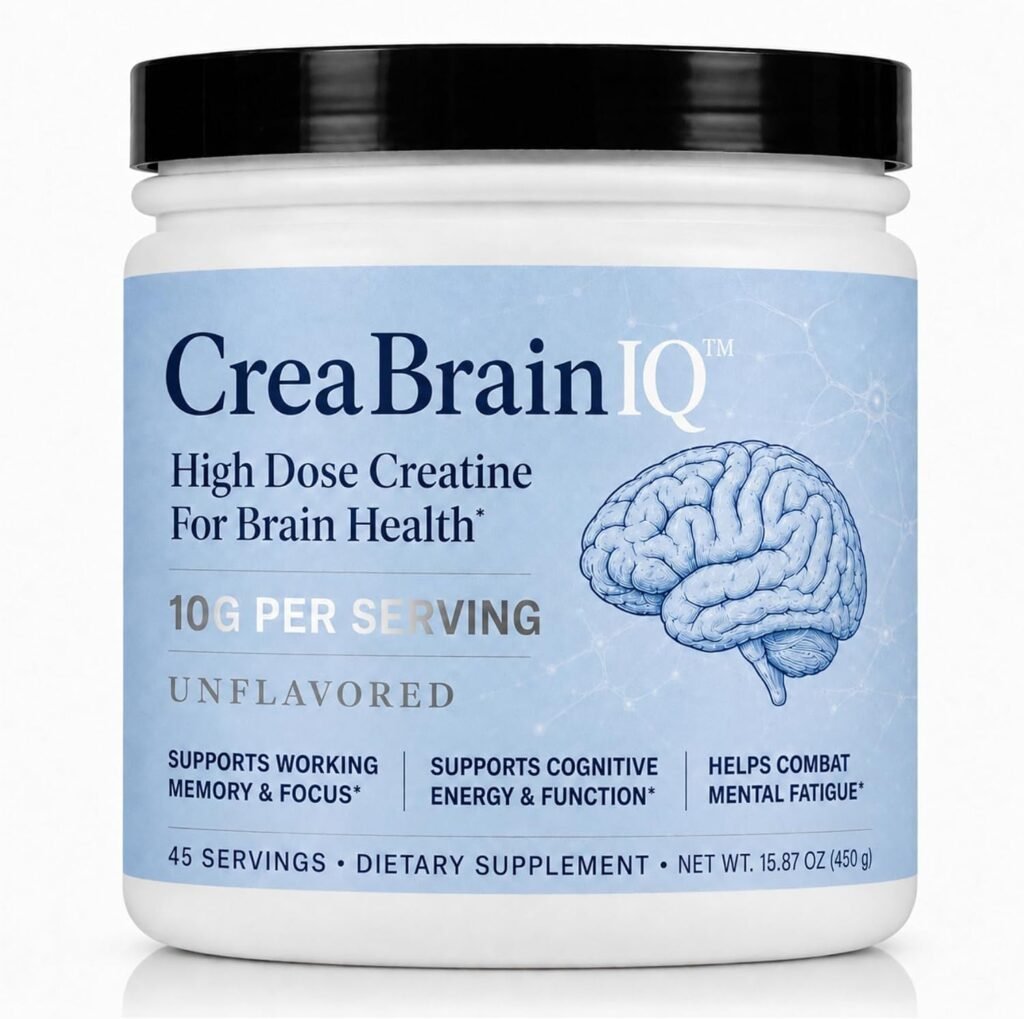
CreaBrainIQ High Dose Creatine
Why I like it:
This unflavored creatine product provides 10 grams per serving and is specifically marketed toward brain health, including cognitive energy, working memory, focus, and mental fatigue. These are manufacturer claims and should not be interpreted as proof that the product prevents or treats Alzheimer’s disease.
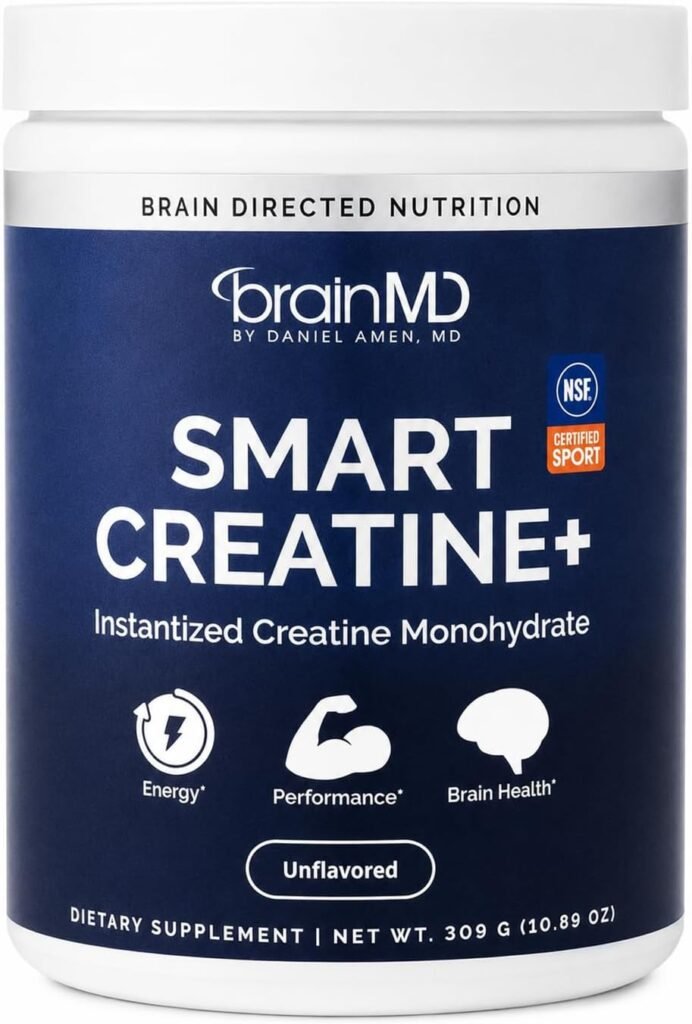
BrainMD Smart Creatine
Why I like it:
This unflavored product contains instantized creatine monohydrate and is marketed for energy, performance, and brain health. The product also displays NSF Certified Sport certification on its label, which may appeal to readers looking for a supplement with third-party sport certification. Product claims should not be interpreted as evidence that creatine prevents or treats Alzheimer’s disease.
These product recommendations are provided for informational purposes and are not medical advice. Always speak with your healthcare provider before beginning a new supplement.
Final Thoughts
Creatine has been used for years to support muscle strength and physical performance, but researchers are now learning more about its possible role in brain health and healthy aging.
The finding that brain creatine levels increased by about 11% after eight weeks is interesting, and the newer 2026 research gives scientists even more reason to continue studying creatine and how it may affect the body’s and brain’s energy systems.
However, this research is still early. We do not yet know whether creatine can prevent, slow, or treat Alzheimer’s disease.
For adults interested in healthy aging, the research is encouraging and worth following—but creatine should be viewed as a supplement being actively studied, not as an Alzheimer’s treatment.
As more research becomes available, we may learn much more about the connection between creatine, memory, brain energy, and aging.
Bottom line: Creatine shows promise for brain health, but we need larger and longer studies before we know exactly how beneficial it may be.
Affiliate Disclosure
Disclosure: Healthy Aging Guides participates in the Amazon Services LLC Associates Program, an affiliate advertising program designed to provide a means for sites to earn advertising fees by advertising and linking to Amazon. As an Amazon Associate, we earn from qualifying purchases at no additional cost to you.
References
Smith AN, et al. Creatine monohydrate pilot in Alzheimer’s: Feasibility, brain creatine, and cognition. Alzheimer’s & Dementia: Translational Research & Clinical Interventions. 2025;11(2):e70101. DOI: 10.1002/trc2.70101.
Taylor MK, et al. Bioenergetic data from a creatine monohydrate pilot trial in Alzheimer’s disease. Alzheimer’s & Dementia: Translational Research & Clinical Interventions. 2026;12(1):e70228. DOI: 10.1002/trc2.70228.
Marshall S, et al. Creatine and Cognition in Aging: A Systematic Review of Evidence in Older Adults. Nutrition Reviews. 2026;84(2):333–344. DOI: 10.1093/nutrit/nuaf135.
About the Author
RN CJAY, RN, PMHNP
RN CJAY is a Registered Nurse with more than 30 years of healthcare experience. Through Healthy Aging Guides, she shares evidence-based information on nutrition, healthy aging, wellness, and lifestyle habits to help adults over 50 make informed health decisions.
The information on this website is for educational purposes only and is not intended to replace medical advice, diagnosis, or treatment. Always consult your healthcare provider before making changes to your diet, medications, or supplement routine.